

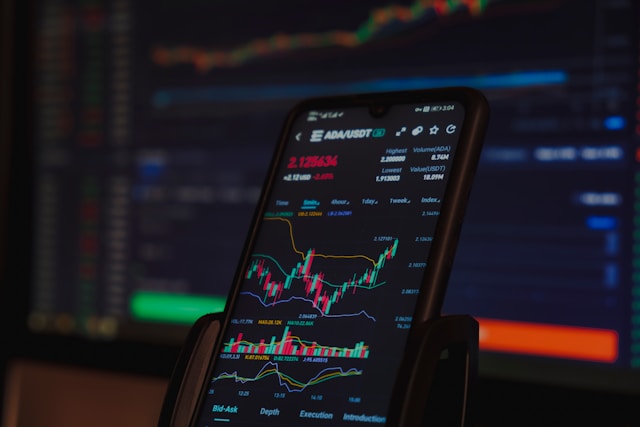
Choosing the right cryptocurrency exchange is one of the most important decisions any crypto investor or trader will make. The exchange you use impacts your trading costs, how safe your assets are, what tools you can access, and even how easily you can buy and sell different cryptocurrencies. In 2026 the crypto exchange landscape is more mature than ever, with platforms offering a range of services from beginner‑friendly buying and selling to advanced professional trading, staking, derivatives, and decentralized finance (DeFi) features. However, not all exchanges are created equal—fees vary widely, security practices differ, and regulatory compliance plays a growing role in how exchanges operate.
Below is a comprehensive comparison of the top crypto exchanges of 2026, looking at fees, features, security, and who each platform is best suited for.
What to Look for in a Crypto Exchange
Before comparing specific exchanges, it’s important to understand what matters most:
- Fees: Lower fees mean higher profits, especially for active traders. Look at trading fees as well as deposit and withdrawal costs.
- Security: How are user funds protected? Does the exchange use cold storage, insurance, audits, and multi‑factor authentication?
- Features: Spot trading, margin trading, futures, staking, NFTs, savings products, and fiat support all affect usability.
- Liquidity: Higher liquidity means easier trades and smaller spreads.
- Regulation and Compliance: Exchanges that comply with local regulations often provide stronger consumer protection.
With these criteria in mind, let’s compare the major platforms dominating crypto in 2026.
Coinbase – Best for Beginners and Regulation‑Focused Users
Coinbase is one of the most recognizable names in crypto, especially for users entering the space for the first time. Its emphasis on compliance and user safety makes it a top choice for beginners.
Fees:
Coinbase charges higher fees than many competitors, especially for basic buy/sell orders on its standard platform. However, users can switch to Coinbase Advanced for lower tiered trading fees.
Features:
- Very intuitive interface
- Easy fiat on‑ramp (USD, EUR, GBP, etc.)
- Built‑in staking for supported assets
- “Learn & Earn” missions that reward users for completing educational tasks
- Strong mobile app
Security:
Coinbase places a heavy emphasis on security:
- Most funds stored in cold storage
- Multi‑factor authentication (2FA) required
- FDIC insurance on USD balances held in custodial wallets
- Regular security audits and compliance with regulations in many jurisdictions
Best For:
New investors, users who prioritize simplicity and compliance, and holders who want a safe place to store crypto without complex interfaces. Despite higher fees, its regulatory standing and ease of use are big advantages.
Binance – Low Fees and Broadest Asset Selection
Binance remains one of the largest exchanges by trading volume, supported by strong liquidity and deep order books for many crypto assets. It’s widely used by active traders and those seeking the widest range of tokens.
Fees:
Binance is known for very low maker and taker fees, often around ~0.10% or lower for high‑volume traders. Additional discounts are available for users who pay fees using Binance Coin (BNB).
Features:
- Spot trading
- Futures and perpetual contracts
- Options and margin trading
- Staking, savings products, and liquidity programs
- Token launchpad and NFT marketplace
- Advanced charting tools and trading bots
Security:
While Binance has faced regulatory challenges in some regions, it has also expanded compliance and introduced strong security features:
- Proof‑of‑reserves audits
- SAFU emergency insurance fund
- Cold storage of majority funds
- Withdrawal whitelists and mandatory 2FA
Best For:
Active and advanced traders, users seeking access to the widest range of cryptos and trading markets, and low‑fee execution.
Kraken – Focus on Security, Compliance and Institutional Trust
Kraken is widely regarded as one of the most secure and compliant exchanges in the industry. Its long track record and conservative approach make it a strong choice for risk‑averse investors.
Fees:
Kraken offers competitive tiered fees, especially through its professional trading interface. Higher volume traders benefit from reduced fees.
Features:
- Spot trading
- Futures and margin trading
- Staking with multiple token choices
- Savings products
- Crypto reporting tools
- OTC trading for large orders
Security:
Kraken’s security reputation is one of its biggest selling points:
- Zero major hacks in its history
- Regular proof‑of‑reserves transparency
- Cold storage for most assets
- Mandatory 2FA and PGP email encryption
- Comprehensive risk assessment tools
Best For:
Investors who prioritize safety, long‑term holders looking for a secure environment, and users who want regulated, transparent services.
Bitget – Competitive Fees and Advanced Trading Tools
Bitget stands out for its low fees and innovative trading tools, including copy trading and programmable bots. It’s emerging as a strong choice for users who want an exchange that supports both passive and active strategies.
Fees:
Bitget’s trading fees are among the lowest in the industry, particularly for futures and derivatives.
Features:
- Spot and derivatives trading
- Copy trading (automatic mirror of expert strategies)
- Staking and savings products
- Mobile app with advanced tools
- API support for bots
Security:
Bitget emphasizes transparency with high proof‑of‑reserves ratios and user protection funds. It incorporates standard protections like cold storage and 2FA.
Best For:
Traders who want customizable tools, copy trading, and very low fees. Also suitable for intermediate users looking to step up from basic platforms.
OKX – Strong Institutional and Advanced Trading Platform
OKX has grown significantly, especially among institutional and sophisticated retail traders. It offers a professional suite of tools and deep liquidity across many markets.
Fees and Features:
- Spot, futures, perpetual contracts, and options
- Margin trading with adjustable leverage
- Advanced charting and analytical tools
- Liquidity farming and savings products
- Institutional grade derivatives infrastructure
Security and Regulation:
OKX has expanded its compliance footprint with investments from major financial entities and strong security protocols.
Best For:
Experienced traders and institutional investors who require advanced features and deep market access.
KuCoin – Wide Selection of Altcoins and Launchpad Access
KuCoin is often chosen by traders who want exposure to a very broad universe of altcoins, including newer and smaller cap tokens that may not be available on larger exchanges.
Fees:
KuCoin offers competitive trading fees, though usually slightly higher than Binance or Bitget for advanced products.
Features:
- Extensive list of crypto assets
- Spot and margin trading
- Futures and derivatives
- Token launch events and community incentives
- Earn and staking products
Security:
KuCoin has strengthened its security since past incidents, with multi‑factor authentication, insurance funds, and cold wallet storage.
Best For:
Traders interested in altcoin diversity, new tokens, and launching projects.
Comparing Fees and Costs
When comparing exchanges, fee structure is critical:
- Lowest trading fees: Binance and Bitget typically offer the cheapest maker/taker rates.
- Higher fees but simple interface: Coinbase’s basic platform charges more, though advanced users can lower fees.
- Tiered discount structures: Many platforms reduce fees for high‑volume traders or native token holders.
Be sure to also check deposit fees, withdrawal costs, and spread, as these can impact your overall cost of trading.
Security: What Really Matters
Security should always be the top priority:
- Look for cold storage of assets not needed for daily operations.
- Choose exchanges that release proof‑of‑reserves and undergo third‑party audits.
- Ensure strong user protections like two‑factor authentication (2FA), withdrawal whitelists, and email encryption.
- Consider whether the exchange has insurance funds to cover losses in extreme events.
Exchanges like Coinbase, Kraken, and Bitget score high in these areas, combining strong protocols with regulatory compliance.
Final Thoughts
There’s no one exchange that’s perfect for every user. Your choice should be tailored to your goals:
- Beginners may prefer Coinbase for simplicity and compliance.
- Security‑focused holders often choose Kraken for its conservative and transparent approach.
- Active traders benefit most from Binance or Bitget thanks to low fees and powerful tools.
- Altcoin explorers may lean toward KuCoin for token diversity.
- Institutions and pros might favor OKX for advanced markets and analytics.
Always do your own research, review fee structures carefully, and never keep large amounts of crypto on an exchange if you don’t need to. Using a combination of platforms for different purposes can also be a smart way to balance security, cost, and convenience.
Crypto exchanges are the gateway to digital assets—choose wisely to protect your portfolio and maximize your opportunities in 2026 and beyond.

