

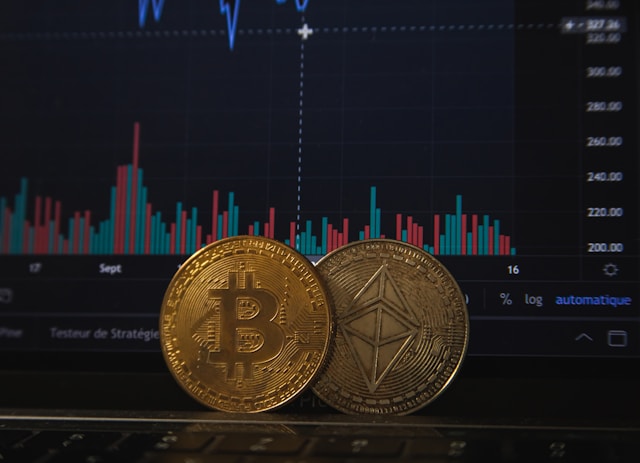
Bitcoin is once again capturing global attention as its price surges to new heights, reigniting excitement among investors, traders, and financial analysts alike. After periods of volatility and uncertainty, this latest rally has sparked renewed optimism in the cryptocurrency market. But what exactly is fueling Bitcoin’s upward momentum? Understanding the forces behind this surge can help investors make informed decisions and better navigate the ever-evolving crypto landscape.
A Return of Institutional Confidence
One of the most significant drivers behind Bitcoin’s recent rally is the return of institutional interest. Over the past few years, large financial institutions have gradually embraced cryptocurrencies, recognizing their potential as both an investment asset and a hedge against traditional market risks. Recently, major firms have increased their exposure to Bitcoin, signaling confidence in its long-term value.
Institutional investors bring not only large amounts of capital but also credibility to the market. Their involvement tends to reduce volatility over time and encourages more conservative investors to enter the space. As funds flow into Bitcoin through investment vehicles such as exchange-traded funds (ETFs) and managed portfolios, demand increases, pushing prices higher.
The Impact of Bitcoin Halving Cycles
Bitcoin operates on a predictable supply schedule, with a key event known as the “halving” occurring approximately every four years. During a halving, the reward for mining new Bitcoin blocks is cut in half, effectively reducing the rate at which new coins enter circulation. This built-in scarcity has historically played a major role in price increases.
As the market anticipates or reacts to a recent halving event, investors often accumulate Bitcoin in expectation of reduced supply and increased demand. This supply shock can create upward pressure on prices, especially when combined with rising interest from both retail and institutional buyers.
Macroeconomic Factors and Inflation Concerns
Global economic conditions are another critical factor influencing Bitcoin’s price. In times of economic uncertainty, rising inflation, or currency devaluation, investors often seek alternative stores of value. Bitcoin, often referred to as “digital gold,” has increasingly been viewed as a hedge against inflation.
Central banks around the world have implemented various monetary policies in recent years, including lowering interest rates and increasing money supply. These actions can weaken traditional currencies, prompting investors to look for assets that preserve value. Bitcoin’s limited supply and decentralized nature make it an attractive option in such environments.
Growing Adoption and Real-World Use Cases
Bitcoin’s utility is expanding beyond just being a speculative asset. More companies are accepting Bitcoin as a form of payment, and financial platforms are integrating crypto services into their offerings. This growing adoption enhances Bitcoin’s legitimacy and increases its demand.
Payment processors, fintech companies, and even some governments are exploring ways to incorporate cryptocurrencies into their systems. As Bitcoin becomes more accessible and practical for everyday use, its value proposition strengthens. Increased adoption naturally leads to increased demand, which supports price growth.
Retail Investor FOMO (Fear of Missing Out)
No Bitcoin rally is complete without the influence of retail investors. As prices begin to rise, media coverage intensifies, and social media buzz grows louder. This creates a sense of urgency among individual investors who fear missing out on potential gains.
Retail investors often enter the market during bullish trends, amplifying price movements. While this can lead to rapid gains, it can also contribute to increased volatility. Nevertheless, the influx of new participants adds liquidity and momentum to the rally.
Technological Advancements and Network Growth
Bitcoin’s underlying technology continues to evolve, making the network more efficient and scalable. Improvements such as the Lightning Network aim to enable faster and cheaper transactions, enhancing Bitcoin’s usability for everyday payments.
Additionally, the overall growth of the blockchain ecosystem contributes to Bitcoin’s appeal. As more developers build on blockchain technology and innovate within the space, confidence in cryptocurrencies as a whole increases. Bitcoin, as the first and most established cryptocurrency, often benefits the most from these advancements.
Regulatory Clarity and Market Stability
Regulation has long been a source of uncertainty in the crypto market. However, recent developments in several countries have provided clearer guidelines for cryptocurrency usage and investment. This regulatory clarity reduces risk for investors and encourages broader participation.
Governments and financial authorities are increasingly working to create frameworks that support innovation while protecting consumers. As regulations become more defined, institutional and retail investors feel more secure entering the market, which contributes to price growth.
Supply and Demand Dynamics
At its core, Bitcoin’s price is driven by basic supply and demand principles. With a maximum supply capped at 21 million coins, scarcity is a fundamental feature of Bitcoin. As more people and institutions seek to acquire Bitcoin, the limited supply creates upward pressure on prices.
Additionally, a significant portion of Bitcoin is held by long-term investors who are unlikely to sell during short-term fluctuations. This reduces the available supply in the market, further intensifying price movements when demand increases.
Media Influence and Market Sentiment
Media coverage plays a powerful role in shaping public perception and market sentiment. Positive news about Bitcoin, such as institutional adoption, regulatory progress, or technological breakthroughs, can drive investor confidence and attract new participants.
Conversely, negative news can trigger sell-offs and price corrections. In the current rally, the overall sentiment has been largely positive, contributing to sustained upward momentum. Social media platforms, influencers, and financial news outlets all play a role in amplifying this sentiment.
Is the Rally Sustainable?
While the current surge in Bitcoin’s price is exciting, many investors are asking whether it can be sustained. The answer depends on a combination of factors, including continued institutional interest, macroeconomic conditions, and overall market sentiment.
Historically, Bitcoin has experienced cycles of rapid growth followed by corrections. These cycles are a natural part of its market behavior. While short-term volatility is inevitable, the long-term outlook for Bitcoin remains positive in the eyes of many analysts.
Investors should approach the market with caution, conduct thorough research, and avoid making decisions based solely on hype. Diversification and risk management are essential strategies for navigating the crypto market effectively.
Final Thoughts
Bitcoin’s latest price surge is the result of a complex interplay of factors, including institutional investment, macroeconomic trends, technological advancements, and growing adoption. As the cryptocurrency market continues to mature, Bitcoin remains at the forefront, driving innovation and capturing global attention.
Whether this rally marks the beginning of a new long-term uptrend or another phase in Bitcoin’s cyclical journey, one thing is clear: Bitcoin is far from fading into obscurity. Its influence on the financial world continues to grow, and its future remains a topic of intense interest and debate.
For investors and enthusiasts alike, staying informed and understanding the forces behind Bitcoin’s price movements is key to making smart decisions in this dynamic and rapidly evolving market.

