

Ethereum continues to stand at the forefront of blockchain innovation, evolving rapidly as new technologies, market dynamics, and global events shape its trajectory. As the second-largest cryptocurrency by market capitalization, Ethereum is more than just a digital asset—it is the foundation of decentralized finance (DeFi), smart contracts, and a growing ecosystem of decentralized applications.
Recent developments surrounding Ethereum reveal a complex mix of innovation, institutional activity, regulatory challenges, and market fluctuations. For investors, developers, and enthusiasts, staying updated on these changes is essential to understanding where Ethereum is heading next.
Ethereum’s Push Toward Future-Proof Security
One of the most significant recent developments involves Ethereum’s preparation for the future of cybersecurity—specifically, the threat posed by quantum computing. Major tech companies have begun setting timelines for adopting quantum-resistant cryptography, and Ethereum appears to be ahead of the curve.
The network has already been working on long-term strategies to transition toward quantum-safe systems, reinforcing confidence in its long-term viability. This proactive approach highlights Ethereum’s commitment to staying secure in a rapidly evolving technological landscape. (CoinMarketCap)
As blockchain technology becomes more integrated into global finance, security will remain a top priority. Ethereum’s early preparation could position it as a more resilient and trusted platform compared to competitors that are slower to adapt.
Upcoming Network Upgrades and Scalability Improvements
Ethereum’s roadmap continues to focus heavily on scalability and efficiency. In 2026, the network is preparing for major upgrades designed to improve transaction throughput and reduce congestion.
Two key updates—often referred to as part of Ethereum’s evolving roadmap—aim to enhance Layer 2 integration and overall network performance. These upgrades are expected to make Ethereum faster, cheaper to use, and more accessible for both developers and users. (FXStreet)
Additionally, long-term plans such as “The Verge,” “The Purge,” and “The Splurge” are focused on simplifying the network, reducing storage requirements, and improving efficiency. (The Motley Fool)
These developments are crucial because high gas fees and network congestion have historically been major pain points for Ethereum users. Addressing these issues could unlock new levels of adoption and usability.
Institutional Activity: Mixed Signals from ETFs
Institutional interest in Ethereum remains strong but somewhat inconsistent. On one hand, new financial products like staking-based exchange-traded funds (ETFs) are making it easier for traditional investors to gain exposure to Ethereum.
These ETFs allow investors to earn yield through staking, introducing a new income-generating aspect to crypto investing. This development signals a growing maturity in the Ethereum ecosystem and increasing integration with traditional finance. (New York Post)
However, not all institutional signals are positive. Recent data shows that Ethereum spot ETFs have experienced multiple consecutive days of outflows, indicating some hesitation among large investors. (CoinMarketCap)
This contrast highlights the current state of the market: while long-term confidence in Ethereum remains strong, short-term sentiment can fluctuate based on broader economic conditions and market trends.
Market Performance and Price Pressure
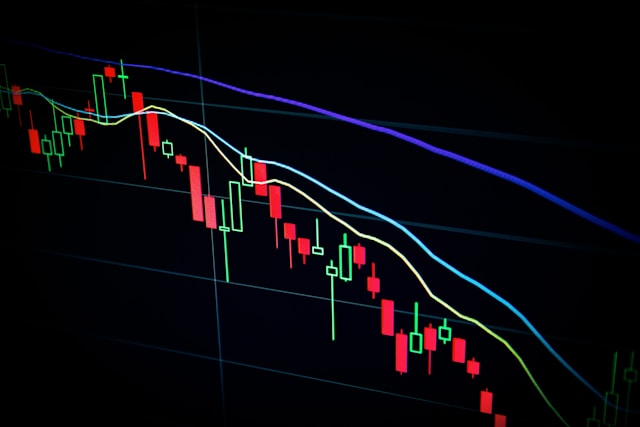
Ethereum’s price has been under pressure despite ongoing developments. Recent data shows ETH trading around the $2,000 range, reflecting a period of consolidation rather than explosive growth. (Fortune)
Several factors contribute to this trend. One key event is the large-scale expiration of Ethereum options contracts, which can create short-term volatility and influence price movements. (openPR.com)
Additionally, macroeconomic conditions and cautious investor sentiment have limited upward momentum. While Bitcoin has shown stronger rallies at times, Ethereum’s price growth has been more measured.
Despite this, analysts remain optimistic about Ethereum’s long-term potential, especially as network upgrades and adoption continue to progress.
Geopolitical Events and Market Reactions
Global events continue to influence Ethereum’s price and overall market sentiment. For example, recent geopolitical tensions have triggered fluctuations across the crypto market, with Ethereum experiencing both gains and volatility alongside Bitcoin. (Barron’s)
These events demonstrate how closely cryptocurrencies are now tied to global economic and political developments. Ethereum is no longer isolated from traditional financial systems—it reacts to the same forces that move stocks, commodities, and currencies.
As a result, investors must consider global news and macroeconomic trends when analyzing Ethereum’s performance.
Regulatory Challenges and Uncertainty
Regulation remains one of the most important factors shaping Ethereum’s future. Recent delays in cryptocurrency legislation, particularly in major markets like the United States, have created uncertainty for investors.
Some financial institutions have even adjusted their price forecasts for Ethereum due to the lack of regulatory clarity, highlighting how important policy decisions are for market growth. (Reuters)
Clear and supportive regulations could unlock new waves of institutional investment, while restrictive policies could slow adoption. For now, the regulatory landscape remains a key variable to watch.
Ethereum’s Expanding Role in the Crypto Ecosystem
Despite short-term challenges, Ethereum continues to play a central role in the broader crypto ecosystem. It powers decentralized finance platforms, non-fungible tokens (NFTs), and a wide range of blockchain-based applications.
The rise of stablecoins and tokenized assets has further strengthened Ethereum’s position as a foundational layer for digital finance. (Cinco Días)
This utility sets Ethereum apart from many other cryptocurrencies. While some digital assets rely primarily on speculation, Ethereum’s value is deeply tied to its real-world use cases and growing ecosystem.
Technological Innovation and Developer Activity
Ethereum remains one of the most actively developed blockchain platforms in the world. Continuous innovation from developers helps maintain its competitive edge.
From improvements in Layer 2 scaling solutions to advancements in smart contract functionality, Ethereum’s ecosystem is constantly evolving. This ongoing development attracts new projects, users, and investment, reinforcing its position as a leader in blockchain technology.
Innovation is a key driver of long-term growth, and Ethereum’s strong developer community is one of its greatest strengths.
Long-Term Outlook and Market Potential
Looking ahead, many analysts believe Ethereum has significant growth potential. Price forecasts suggest that ETH could see substantial gains if adoption continues and network improvements are successfully implemented. (CoinDCX)
Factors such as increased institutional adoption, improved scalability, and expanded use cases all contribute to a positive long-term outlook. However, challenges such as regulatory uncertainty and market volatility remain.
Investors should approach Ethereum with a balanced perspective, considering both its opportunities and risks.
Final Thoughts
Ethereum is navigating a critical phase in its evolution, marked by technological progress, market fluctuations, and increasing integration with global finance. From quantum-resistant security initiatives to major network upgrades and institutional developments, the platform continues to push boundaries.
While short-term price movements may be unpredictable, Ethereum’s long-term fundamentals remain strong. Its role as a decentralized platform for innovation ensures that it will continue to be a major force in the cryptocurrency space.
For anyone following the crypto market, keeping up with Ethereum’s latest developments is essential. As the ecosystem grows and matures, Ethereum is likely to remain at the center of the digital economy, shaping the future of finance and technology alike.

