

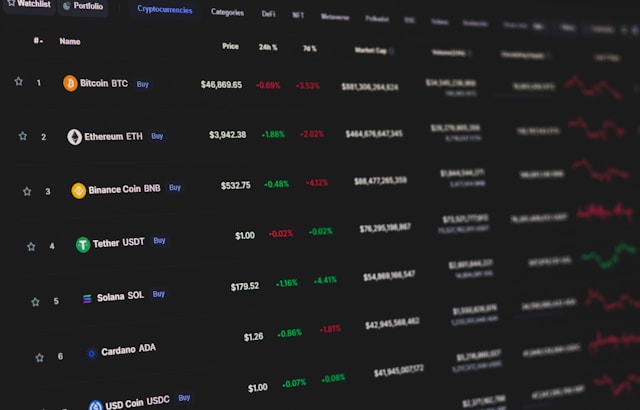
The cryptocurrency market is known for its volatility, with prices swinging dramatically over short periods. Each week brings new developments, big gains, unexpected losses, and trends that can influence investor sentiment. In 2026, the market continues to evolve rapidly, driven by factors such as macroeconomic shifts, regulatory news, technological upgrades, and adoption milestones. A weekly recap helps investors understand market dynamics, identify opportunities, and manage risks effectively.
This article reviews the key winners and losers in the crypto space over the past week, highlights notable trends, and explains what may have influenced these movements.
Overall Market Performance
This week, the global crypto market cap saw moderate fluctuations, hovering between $1.2 trillion and $1.35 trillion. Bitcoin (BTC) maintained its position as the leading asset but experienced a modest decline of 1.5% after a week of volatility. Ethereum (ETH) demonstrated resilience, gaining 2.3%, largely due to continued network upgrades and increased activity in decentralized finance (DeFi) applications.
Altcoins saw mixed results, with some smaller-cap projects surging due to news, partnerships, or adoption announcements, while others lagged behind as investors rotated into more established tokens.
Top Weekly Winners
1. Ethereum (ETH)
Ethereum continues to benefit from growing DeFi and NFT activity. Its ongoing network upgrades to improve scalability and reduce fees have instilled confidence among investors. The price gain of 2.3% reflects renewed optimism that Ethereum remains the backbone of decentralized applications.
2. Solana (SOL)
Solana led the altcoin rally this week, gaining 7% due to strong adoption of Layer-2 applications and gaming projects. Improved transaction speeds and lower fees compared to older blockchains make Solana an attractive choice for developers and users alike.
3. Avalanche (AVAX)
Avalanche saw a 5% increase in price following the announcement of new institutional partnerships and staking programs. Its focus on interoperability and cross-chain solutions continues to attract attention from investors seeking high-growth blockchain projects.
4. Chainlink (LINK)
Chainlink surged 6% as new oracle integrations were announced across multiple DeFi platforms. Its role in providing reliable external data to smart contracts remains crucial, and market participants reacted positively to the expansion of its ecosystem.
5. Polygon (MATIC)
Polygon gained 4% this week as decentralized applications continue migrating to its Layer-2 scaling solution. Partnerships with DeFi protocols and NFT marketplaces have strengthened investor confidence in MATIC’s long-term utility.
Top Weekly Losers
1. Ripple (XRP)
XRP dropped 4% amid ongoing regulatory uncertainties. Court rulings and compliance questions continue to affect investor sentiment, making it a volatile asset despite recent positive news on adoption by financial institutions.
2. Shiba Inu (SHIB)
The meme coin experienced a 6% decline after a brief surge earlier in the week. High volatility and speculative trading make such coins prone to rapid reversals, emphasizing the risks for retail investors chasing hype.
3. Terra Classic (LUNC)
Terra Classic continued to struggle with a 7% drop following community debates over future development and governance proposals. Market confidence remains fragile, affecting price stability.
4. Algorand (ALGO)
Algorand declined by 3% despite ecosystem growth, as broader market uncertainty weighed on investor sentiment. While technological developments are promising, short-term price action reflects market risk aversion.
5. Dogecoin (DOGE)
DOGE dropped 2% after failing to maintain momentum from prior weeks. The coin remains largely driven by social media sentiment and celebrity endorsements, making it sensitive to hype cycles.
Factors Driving Market Movements
1. Macroeconomic Trends
Interest rate announcements, inflation data, and stock market trends continue to influence crypto prices. Risk-on or risk-off sentiment in global markets often translates directly to crypto volatility.
2. Regulatory Developments
News regarding crypto regulation, compliance, and legal rulings can create sharp movements. For example, positive developments in DeFi oversight can spur gains, while uncertainty around tokens like XRP can trigger losses.
3. Technological Upgrades
Network improvements, such as Ethereum’s ongoing enhancements or Solana’s Layer-2 integrations, often drive investor confidence and token appreciation.
4. Adoption and Partnerships
Announcements of partnerships, integrations, or enterprise adoption can lead to rapid gains, as seen with Avalanche’s institutional collaborations this week.
5. Market Sentiment
Social media, news cycles, and investor psychology continue to play a role. Meme coins, low-cap tokens, and trending projects can experience rapid swings driven by sentiment rather than fundamentals.
Trading Strategies for the Week Ahead
- Monitor Bitcoin and Ethereum: These major coins often set the tone for the broader market.
- Diversify Exposure: Consider a mix of established coins and high-potential altcoins to balance risk and reward.
- Use Stop-Loss Orders: Protect against sudden drops, particularly in volatile altcoins.
- Stay Informed on News: Regulatory updates, technology releases, and macroeconomic events can quickly affect prices.
- Consider DeFi and Staking Opportunities: Beyond trading, earning yields through DeFi protocols or staking can provide passive returns.
Conclusion
This week in crypto demonstrates the continued volatility and opportunity in digital assets. While Ethereum, Solana, Avalanche, and Chainlink led gains, coins like XRP, Shiba Inu, and Terra Classic highlight the risks inherent in the market.
Staying updated with weekly recaps helps investors track trends, understand market sentiment, and make informed decisions. In 2026, the crypto ecosystem is becoming more sophisticated, but fundamental analysis, security awareness, and risk management remain essential for success.
Tracking winners and losers on a weekly basis allows traders to identify momentum plays, evaluate project fundamentals, and adjust portfolios according to market conditions. By combining awareness of market trends with thoughtful investment strategies, users can navigate the rapidly changing crypto landscape more effectively.

